← Back
Pronouns & Basic Sentence Structure
Personal pronouns
себя (reflexive pronoun)
oneself / myself / yourself…
sebya
Reflexive pronoun — no nominative form
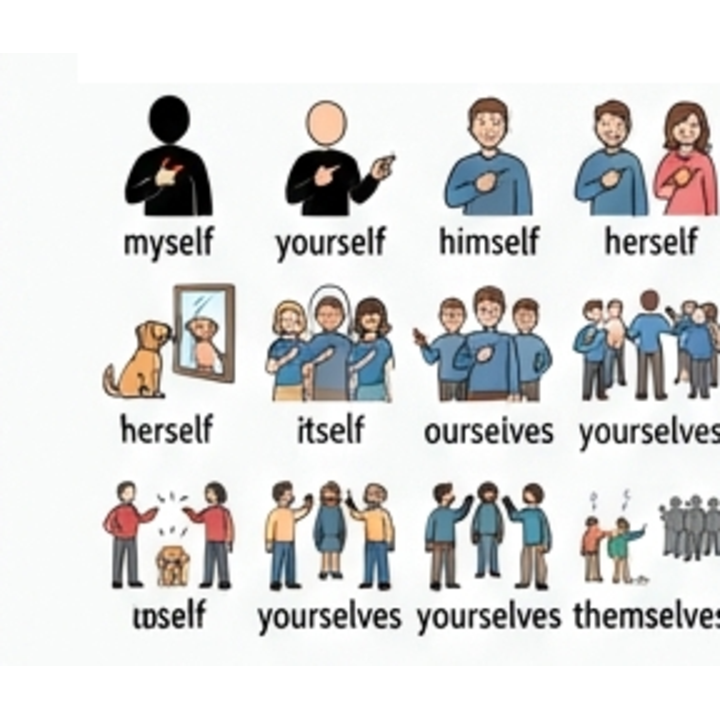
свой / своя / своё / свои
one's own (m/f/n/pl)
svoy / svoya / svoyo / svoi
Reflexive possessive: refers back to subject
друг друга
each other
drug druga
Reciprocal pronoun: each other
тот / та / то / те
that / that / that / those
tot / ta / to / te
Demonstrative тот (distant) vs этот (near)
такой / такая / такое
such a (m/f/n)
takoy / takaya / takoye
Demonstrative adjective такой = such a
сам / сама / само / сами
himself / herself / itself / themselves
sam / sama / samo / sami
Emphatic pronoun сам = himself/herself
Порядок слов: подлежащее – сказуемое – дополнение
word order: Subject – Verb – Object (flexible)
S-V-O flexible
Russian word order is free but S-V-O is neutral
Тема-Рема: данное → новое
theme-rheme: given information → new information
tema-rema
New information tends to come last in sentence
Именительный vs Творительный в сказуемом
Nominative vs Instrumental in predicate
nom. vs instr. predicate
Он — врач (nom) vs Он был врачом (instr. past)
Вы/ты: обращение
formal Вы vs informal ты
Vy vs ty
Вы = polite/formal; ты = informal/familiar