← Back
Alphabet & Pronunciation
Dutch alphabet, vowel sounds, consonant clusters, and key pronunciation rules
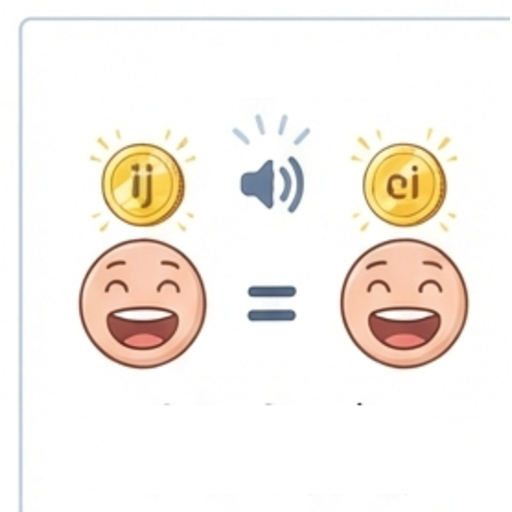
De lange ij/ei: verschillend gespeld, zelfde klank
Long ij/ei: differently spelled, same sound
ij = ei = [ɛi]
rijden en leiden — same vowel sound, different spelling convention
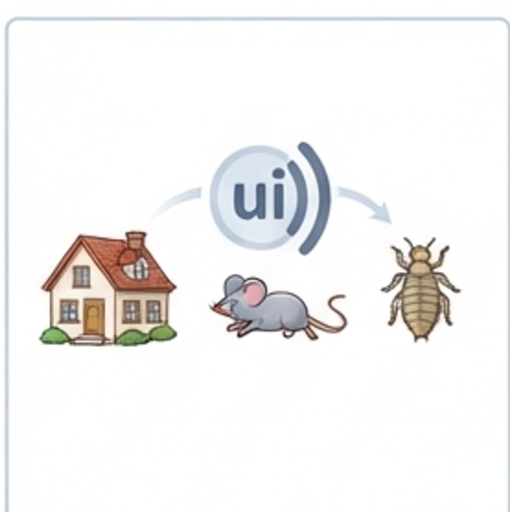
De ui-klank: huis, muis, luis
The ui sound: house, mouse, louse
ui = [œy]
Distinctly Dutch diphthong — practice with huis, tuin, buiten
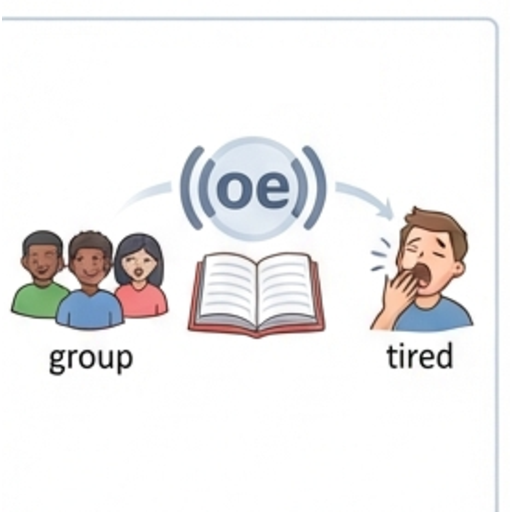
De oe-klank: groep, boek, moe
The oe sound: group, book, tired
oe = [u]
Dutch oe = English oo: groep [khrup], boek [buk]
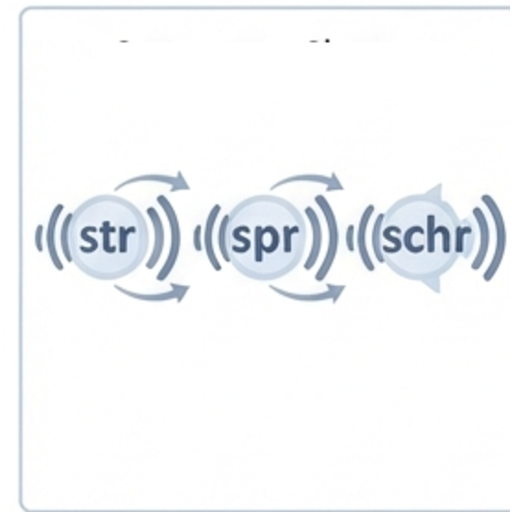
Medeklinkergroepen: str-, spr-, schr-
Consonant clusters: str-, spr-, schr-
straat, springen, schrijven
Dutch allows complex initial clusters: straat, schrijven
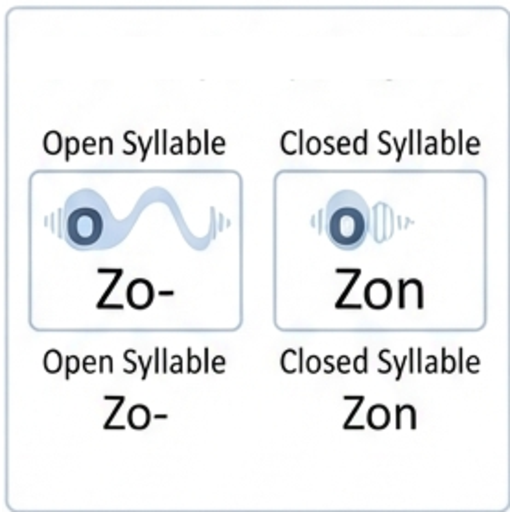
Verlenging en verkorting van klinkers
Vowel lengthening and shortening (spelling rules)
man→mannen (short); maan→manen (long)
Spelling adjusts to maintain vowel quantity
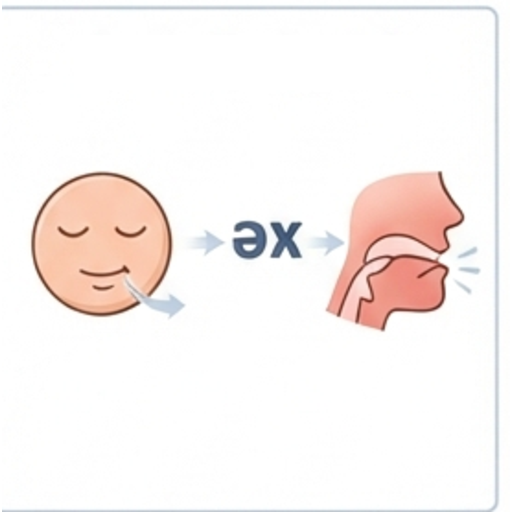
De -ig uitgang: [əx] uitgesproken
The -ig ending pronounced [əx]
handig=[handəx], moeilijk=[muiələk]
Final -ig → [əx] not [ikh] in standard Dutch
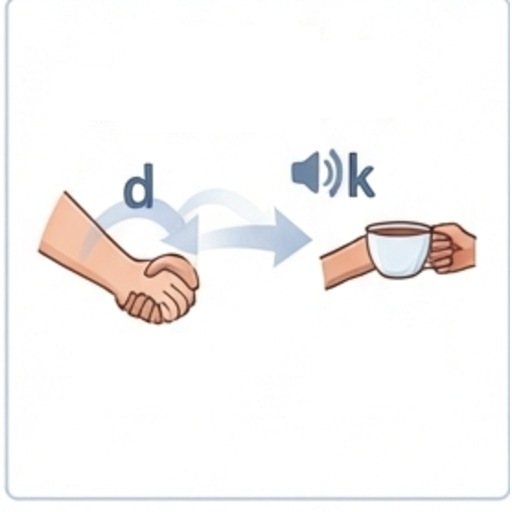
Eindmedeklinker verdoving: bad→[bat]
Final consonant devoicing: bath→[bat]
bad=[bat], hond=[hont], dag=[dax]
All final obstruents are devoiced in Dutch
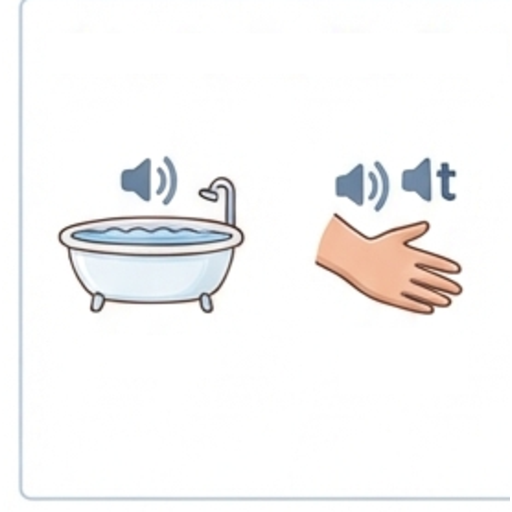
Assimilatie: zakdoek=[zaxduk]
Assimilation: handkerchief
assimilatie van stemhebbende medeklinkers
Voicing assimilation across word boundaries
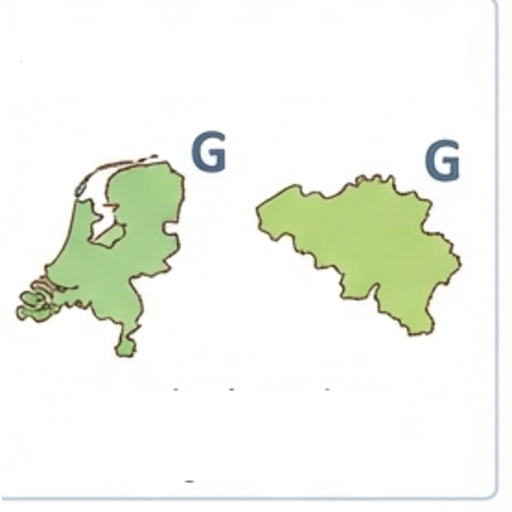
Het verschil: Standaard-Nederlands vs Belgisch
Difference: Standard Dutch vs Belgian Dutch
g: hard [x] NL vs soft [ɣ] BE
Belgian Dutch has softer g and different intonation
Tussenklank -s- en -e- in samenstellingen
Linking -s- and -e- in compounds
fietspad, schooltas, kinderwagen
Compounds may add -s- or -e- between elements