← Back
Alphabet & Pronunciation
Dutch alphabet, vowel sounds, consonant clusters, and key pronunciation rules
Klinkerreductie in onbeklemtoonde lettergrepen
Vowel reduction in unstressed syllables
maken=[maːkən], hebben=[ɦɛbə]
Final -en often reduced to [ə] or deleted in speech
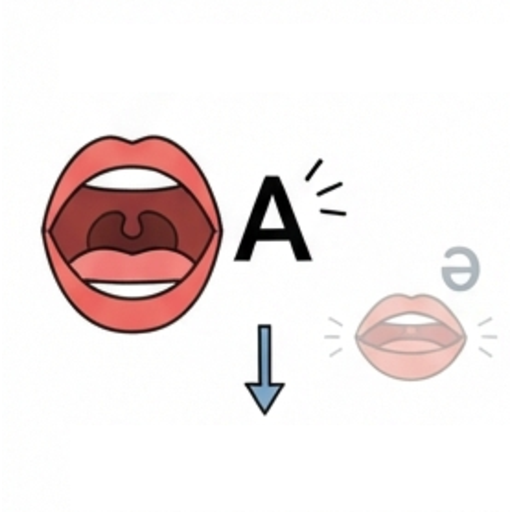
Sjwa-deletie: lopen→[loːpm̩], hebben→[ɦɛbm̩]
Schwa deletion: run, have (fast speech)
lopen=[lopm], hebben=[hebm]
Final -en becomes syllabic nasal in fast speech
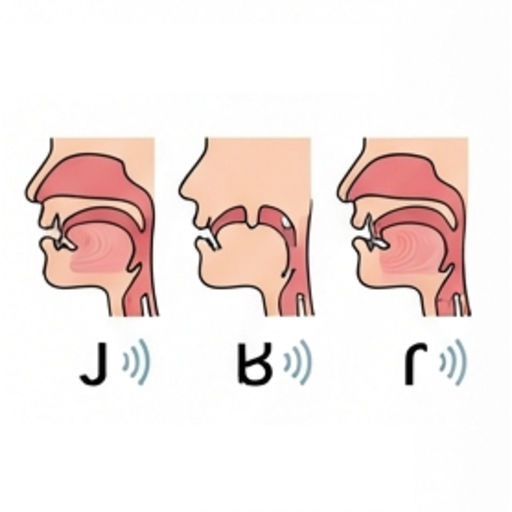
R-varianten: tongpunt-r vs huig-r vs tap-r
R variants: alveolar vs uvular vs tap
alveolar [r], uvular [ʀ], tap [ɾ]
Regional and social variation in Dutch r-pronunciation
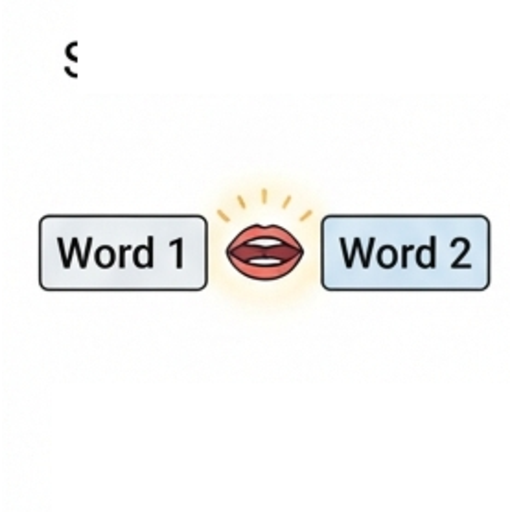
Sandhi-verschijnselen: assimilatie over woordgrens
Sandhi phenomena: assimilation across word boundary
ik ga=[ɪxaː], heeft gedaan=[ɦeɣədaːn]
Regressive and progressive assimilation in connected speech
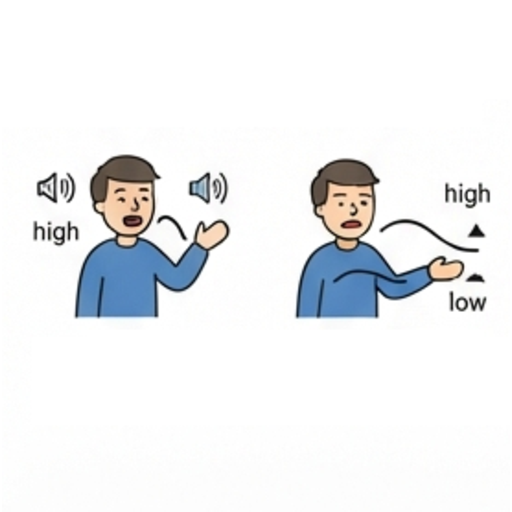
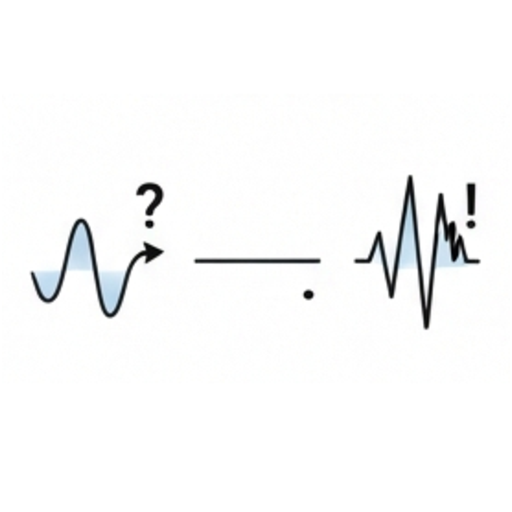
Intonatie: vraag vs mededeling vs uitroep
Intonation: question vs statement vs exclamation
rising/falling/high-falling contours
Dutch uses H* and L* pitch accents in different contexts
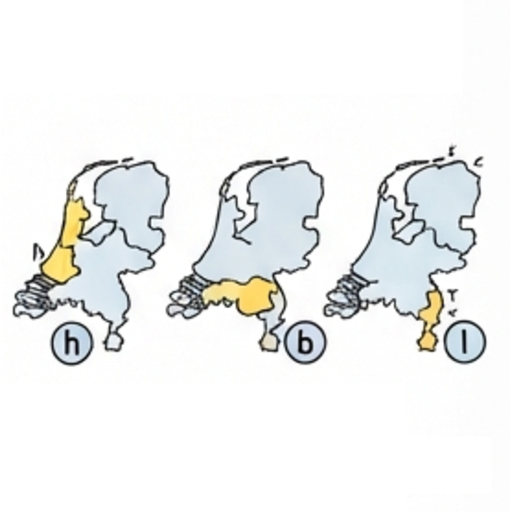
Dialectkenmerken: Hollands, Brabants, Limburgs
Dialect features: Hollands, Brabants, Limburgs
g-sound, t-deletion, pitch accent (Limburg)
Major Dutch dialect areas and distinguishing features
Tussentaal: het Belgisch-Nederlands kontinuüm
Tussentaal: the Belgian-Dutch continuum
between dialect and standard in Belgium
Tussentaal = informal contact variety in Belgian Dutch

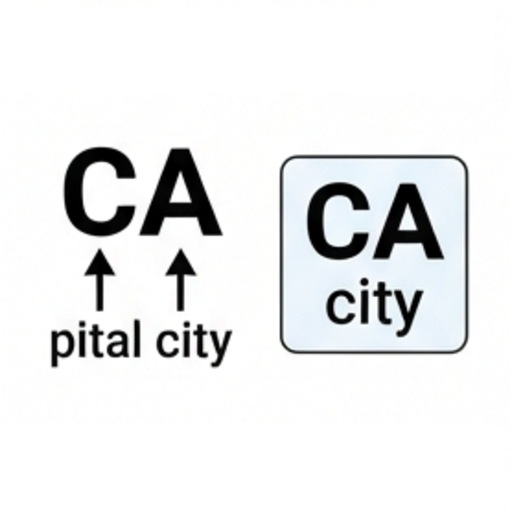
Klemtoonpatronen in samenstellingen: HÓOFDstad
Stress patterns in compounds: CApital city
hoofdstad: stress on first element
Compounds always stress first element in Dutch
Prosodie van bijzinnen: lagere toon
Prosody of subordinate clauses: lower pitch
subordinate clauses pronounced with lower pitch range
Subordinate clause prosody differs from main clause

Fonologische processen: deletie van -t
Phonological processes: deletion of -t
dat=[da], wat=[wa], niet=[nie] in casual speech
Frequent t-deletion in clitics and function words