← Back
Nouns, Articles & Gender
De/het articles, common/neuter gender, plurals and diminutives
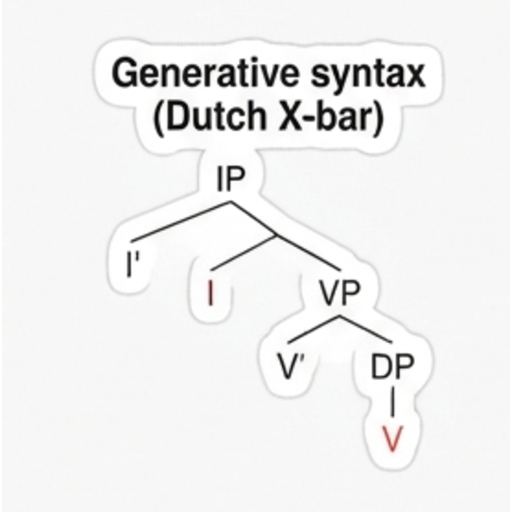
Generatieve syntaxis: X-bar theorie voor het NL
Generative syntax: X-bar theory for Dutch
NP, VP, IP, CP structure in Dutch
Phrase structure analysis of Dutch using X-bar theory
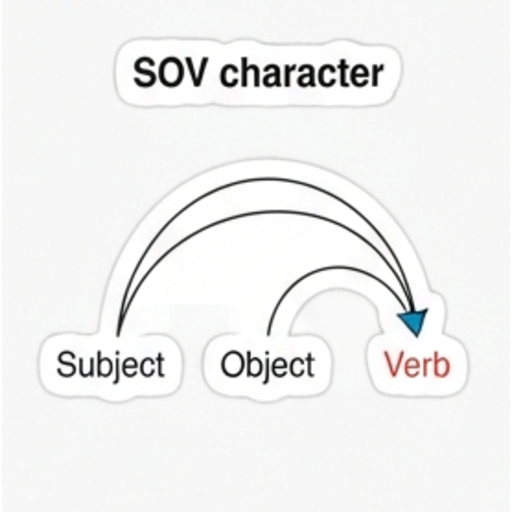
Het SOV karakter van het NL: hoofd-laatste volgorde
SOV character of Dutch: head-final order
Dutch is underlyingly SOV — V2 moves verb to C
Dutch as SOV language with V2 as surface phenomenon
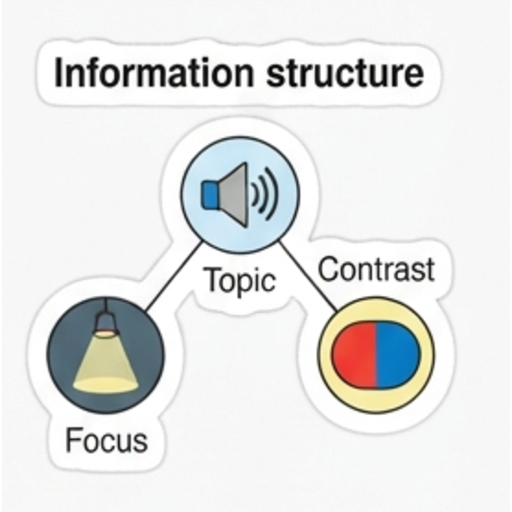
Informatiestructuur: topiek, focus, contrast
Information structure: topic, focus, contrast
Topicalisation, focus fronting, contrastive stress
Discourse-level syntactic operations in Dutch
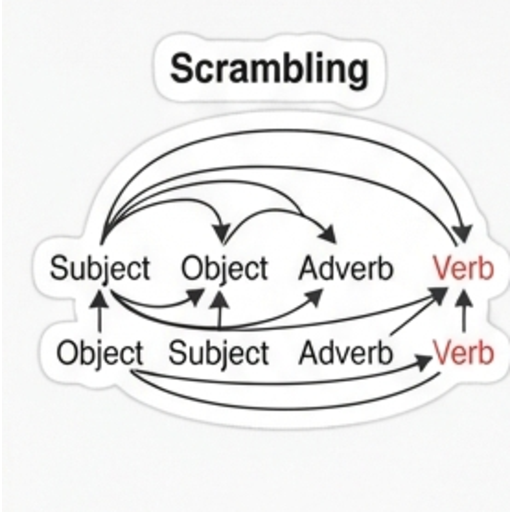
Scrambling in het NL: vrije woordvolgorde?
Scrambling in Dutch: free word order?
Object scrambling: Ik heb het boek al gelezen.
Scrambling: moving constituents for information-structural reasons
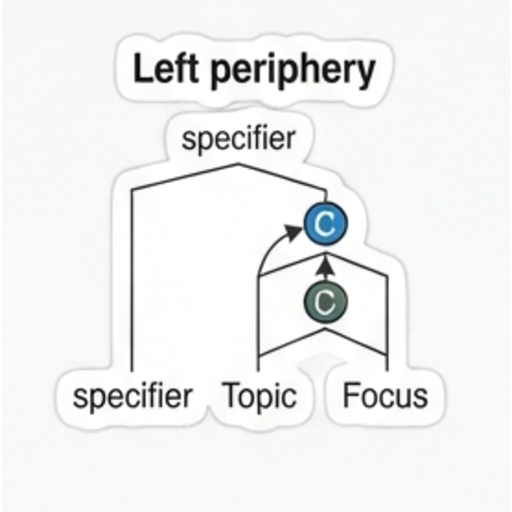
De linker periferie: CP en Topic/Focus projecties
The left periphery: CP and Topic/Focus projections
ForceP, TopP, FocP in Dutch left periphery
Cartographic analysis of Dutch left periphery
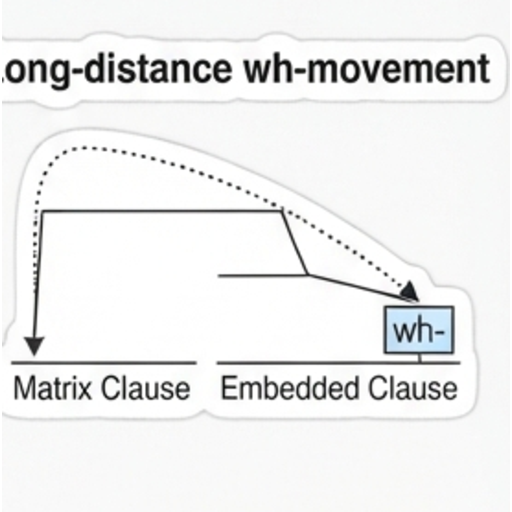
Lange afstandafhankelijkheden: wh-beweging
Long distance dependencies: wh-movement
Welk boek denk jij dat hij heeft gekocht?
Wh-extraction from embedded clauses in Dutch
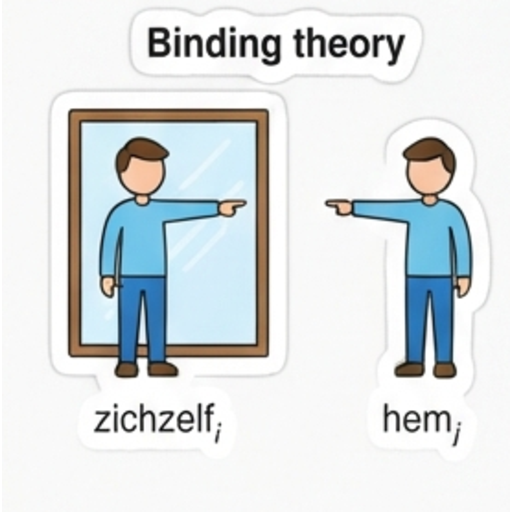
Bindingstheorie in het NL: zichzelf vs hem
Binding theory in Dutch: zichzelf vs hem
Zichzelf must be locally bound; hem must be free locally
Binding conditions A and B applied to Dutch
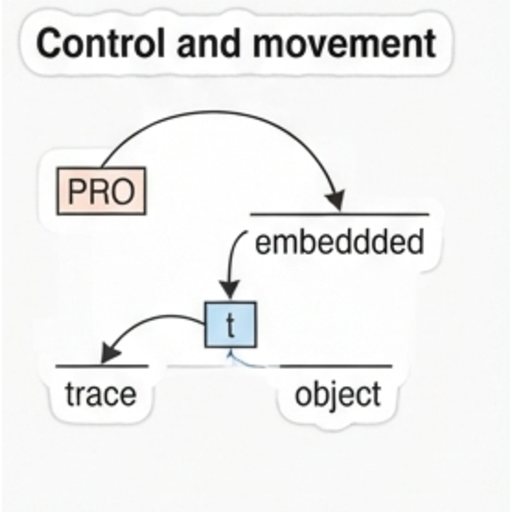
Controle en beweging: PRO en t
Control and movement: PRO and trace
Jan probeert [PRO te werken]
Control theory for Dutch infinitive constructions
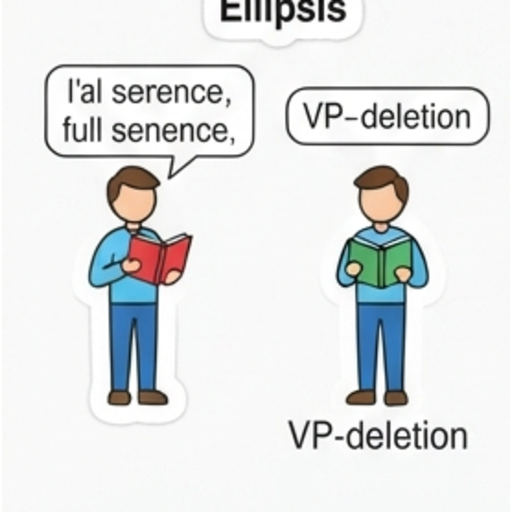
Ellipsis: VP-deletie en sluicing in NL
Ellipsis: VP-deletion and sluicing in Dutch
Jan werkt en Marie ook [∅]. Ik weet niet wat [∅].
Types of ellipsis and their licensing in Dutch grammar
Polysynthetische constructies vs analytisch NL
Polysynthetic constructions vs analytic Dutch
Dutch compound verbs vs periphrastic expressions
Synthetic vs analytic expression in Dutch