← Back
Verbs & Present Tense Conjugation
Regular and irregular verbs in present tense, modal verbs and separable verbs
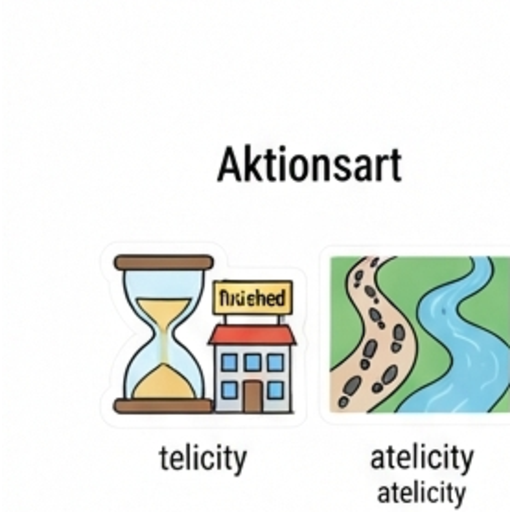
Aktionsart in het NL: teliciteit en ateliciteit
Aktionsart in Dutch: telicity and atelicity
activiteiten, prestaties, verwezenlijkingen, staten
Vendlerian event types in Dutch with examples
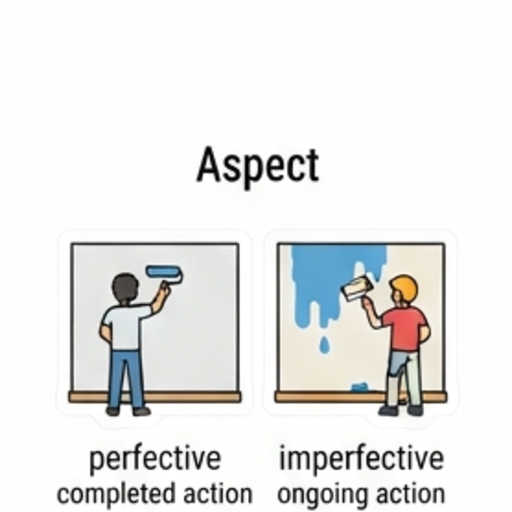
Aspect in het NL: perfectief vs imperfectief
Aspect in Dutch: perfective vs imperfective
OVT vs VTT; aan het + inf. vs simple verb
How Dutch encodes aspectual distinctions
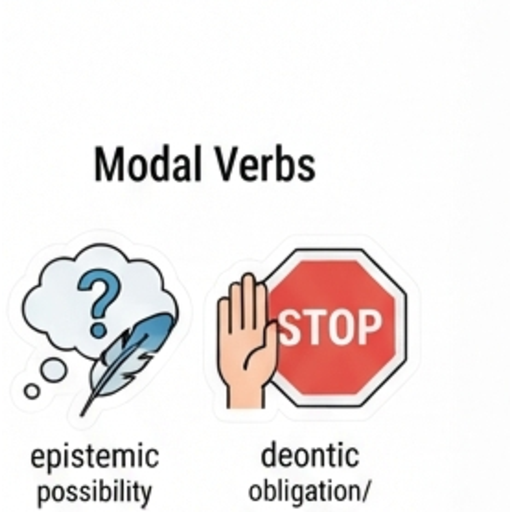
Modale werkwoorden: epistemisch vs deontisch
Modal verbs: epistemic vs deontic
Hij moet ziek zijn (epistemic) vs Hij moet werken (deontic)
Semantic distinction between modal meanings
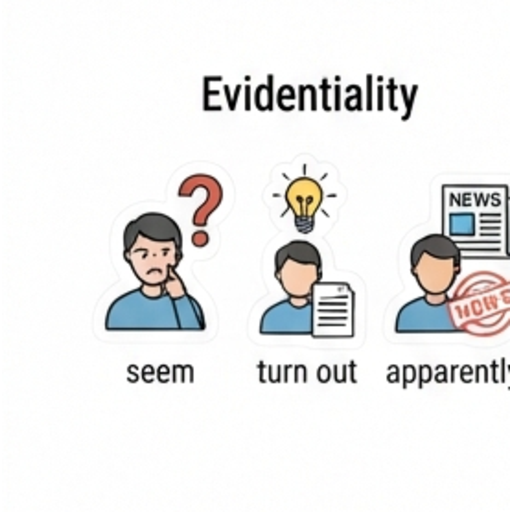
Evidentialiteit in het NL: schijnen, blijken, schijnbaar
Evidentiality in Dutch: seem, turn out, apparently
Hij schijnt ziek te zijn. Het blijkt dat…
Evidential expressions marking source of information
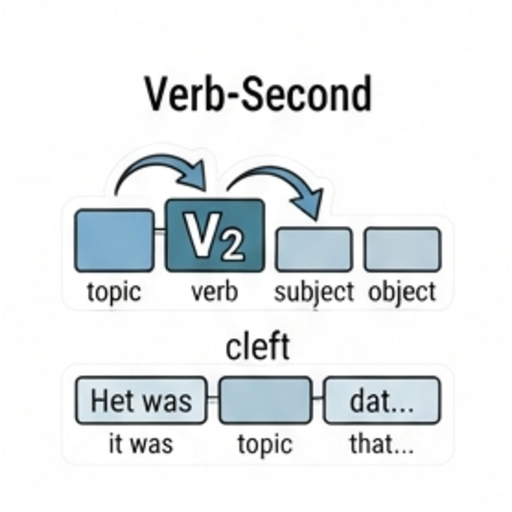
Werkwoord-tweede en de kloof-constructie
Verb-second and the cleft construction
Het is Jan die dat heeft gedaan.
Cleft constructions for focus in Dutch
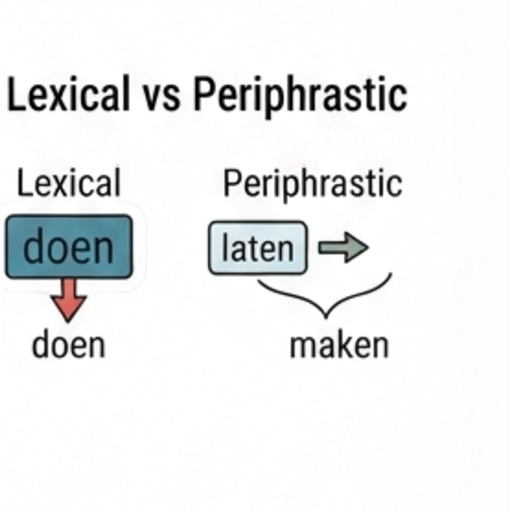
Lexicale causatieven vs perifrastische causatieven
Lexical vs periphrastic causatives
doen laten vs doen+inf vs causative verb
doen: Jan doet Marie lachen vs Marie lacht
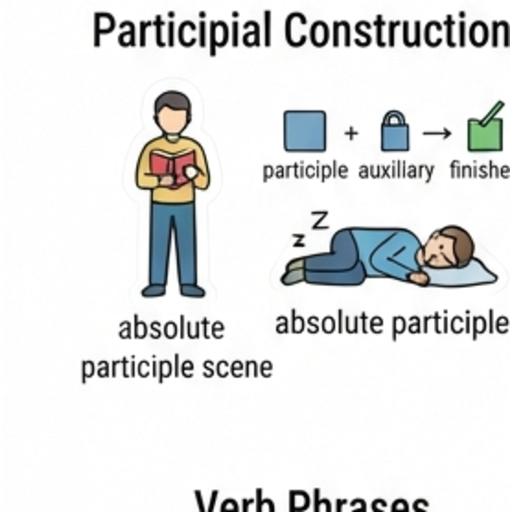
Deelwoordsconstructies: absolute participia
Participial constructions: absolute participles
Gearriveerd in Amsterdam, belde hij zijn vrouw.
Formal literary participial absolute constructions
Vrij indirect rede in NL literatuur
Free indirect discourse in Dutch literature
Zou ze komen? Was het niet te laat?
Literary technique: FID in Dutch narrative

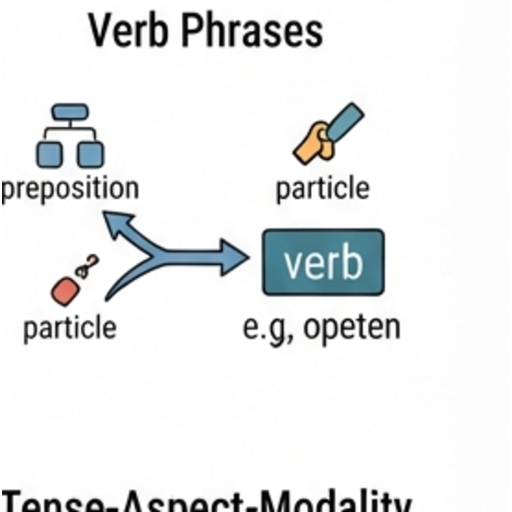
Werkwoordfrases met vaste voorzetsels: complexe predikaten
Verb phrases with fixed prepositions: complex predicates
aankomen op, ingaan tegen, omgaan met
Verb + preposition complex predicates in Dutch
Tijd-Aspect-Modaliteit interface
Tense-Aspect-Modality interface
Interactions of tense, aspect and modality in Dutch
How TAM categories interact in complex Dutch sentences