← Back
Pronouns & Basic Sentence Structure
Personal pronouns, verb-second rule, sein/haben and basic questions
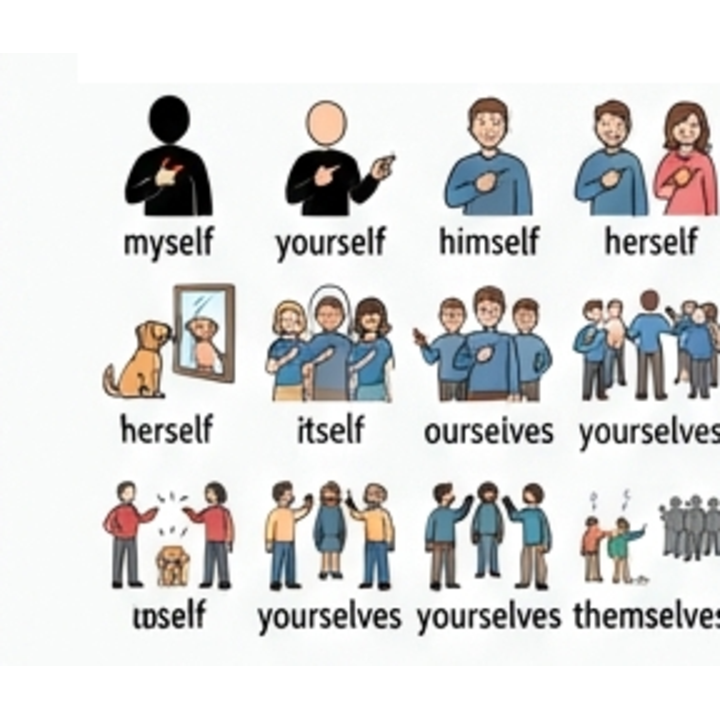
Reflexivpronomen: mich, dich, sich
Reflexive pronouns: myself, yourself, himself
mikh, dikh, zikh
sich = 3rd person and formal Sie reflexive
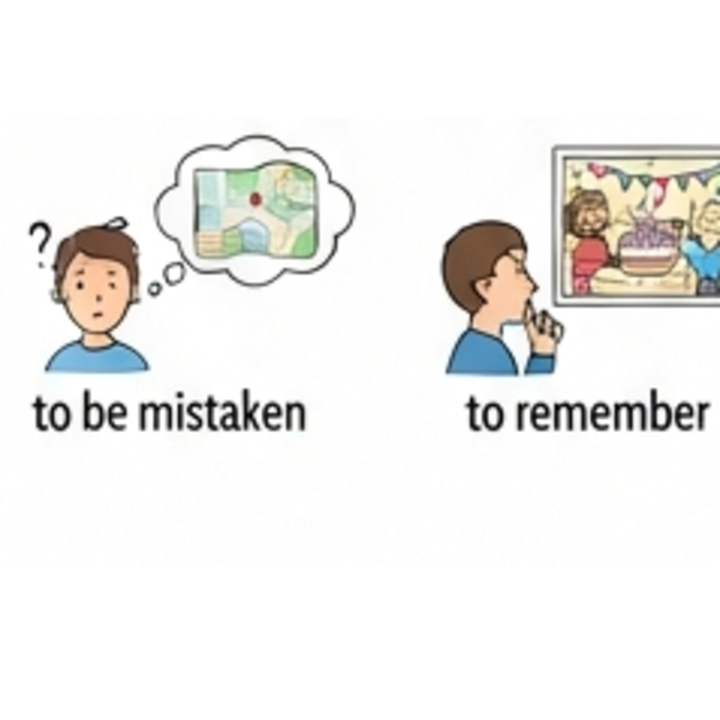
Reflexive Verben: sich freuen, sich erinnern
Reflexive verbs: to be glad, to remember
Ich freue mich. Er erinnert sich.
Many German verbs require a reflexive pronoun
Personalpronomen Akkusativ/Dativ Überblick
Personal pronouns accusative/dative overview
mich/mir, dich/dir, ihn/ihm
Full table of accusative and dative pronouns
man — unpersönliches Pronomen
man — impersonal pronoun (one/people)
man sagt, man weiß nie
man = one/people/you (general); takes 3rd person singular
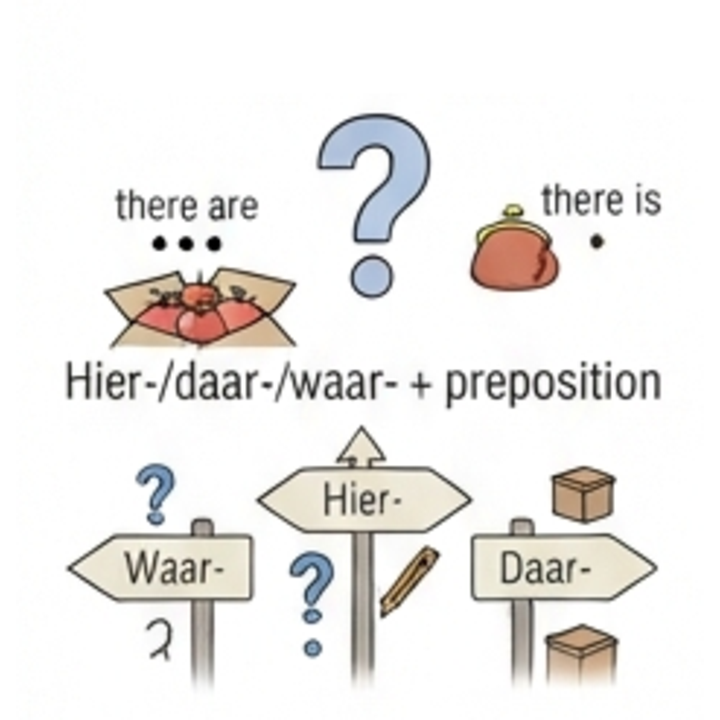
es als Platzhalter: es gibt
es as placeholder: there is/are
es gibt
Es gibt + accusative = there is/are
Relativpronomen: der, die, das (im Kasus)
Relative pronouns in their cases
der Mann, dem ich helfe
Relative pronoun takes case from its role in the clause
Fragepronomen: wer, wen, wem, wessen
Question pronouns: who, whom, to whom, whose
vair, vain, vaim, VES-en
wer declines for case: wer/wen/wem/wessen
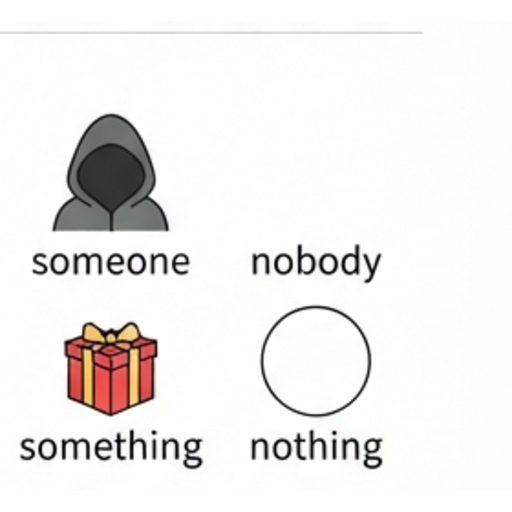
Indefinitpronomen: jemand, niemand, etwas, nichts
Indefinite pronouns: someone, nobody, something, nothing
YAY-mant, NEE-mant, ET-vas, nikhts
Common indefinite pronouns
Possessivpronomen vs Possessivartikel
Possessive pronoun vs possessive article
Das ist meins. vs mein Buch
meins/deins/seins stand alone; mein/dein modify a noun
Wortstellung: Pronomen vor Nomen
Word order: pronouns before nouns
Ich gebe es dem Mann.
In dative+accusative, pronoun objects precede noun objects