← Back
Nouns, Articles & Gender
Turkish nouns, lack of grammatical gender, definiteness via accusative case, noun suffixes
Compound nouns: belirtili and belirtisiz
defined and undefined compound nouns
varies
Çay bardağı (tea glass) -- defined compound with possessive suffix
Possessive suffixes: -(i)m, -(i)n, -(s)i
my, your, his/her on nouns
varies
Evim (my house), evin (your house), evi (his/her house)
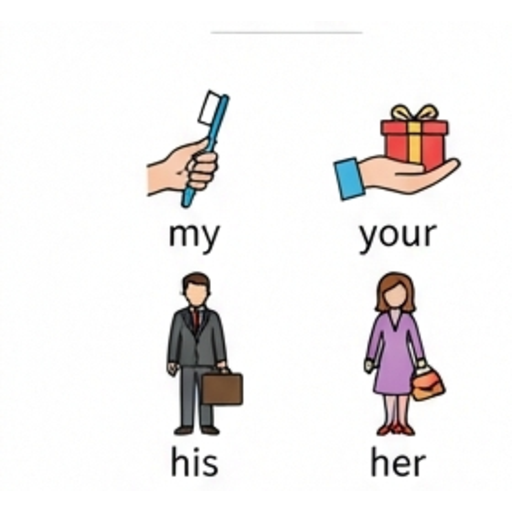
Possessive suffix paradigm
all six persons possessive suffixes
varies
evim/evin/evi/evimiz/eviniz/evleri = my/your/his/our/your/their house
Definiteness through accusative
Turkish marks definiteness via case not article
varies
Bir kitap (a book, indefinite) vs. kitabı (the book, definite accusative)
Noun + noun compounds
izafet construction types
ee-zah-fet
Elma suyu (apple juice): apple in bare form + juice with possessive suffix -u
Diminutive: -cık/-cik/-cuk/-cük
smallness or endearment suffix
-juhk/-jeek/-jook/-jewk
Ev + cik = evcik (little house); used for affection with names: Ahmetçik
Collective nouns and pluralization rules
when plural is and is not used
varies
After numbers, no plural: üç kitap (three books) not üç kitaplar
Indefinite pronoun: biri, birisi
someone, one of them
bee-ree, bee-ree-see
Biri geldi = Someone came; birisi beni arıyor = Someone is looking for me
Demonstrative pronouns in cases
bu/şu/o in different case forms
varies
Bunu (acc), buna (dat), bunda (loc), bundan (abl), bunun (gen)
Nominal sentences with copula variants
am/is/are in different persons
varies
-im/-sin (zero)/-iz/-siniz/-ler; O doktor (he is doctor) vs. Ben doktorum