← Back
Verbs & Present Tense Conjugation
Verb infinitives, present continuous and aorist tenses, personal endings, vowel harmony
Verb derivation: four voice suffixes
reflexive, reciprocal, causative, passive
varies
-(i)n reflexive; -(i)ş reciprocal; -(t/dir)mak causative; -(i)l/-(i)n passive
Ability verbs: -ebil / -abil
can/could/was able to
-eh-beel / -ah-beel
Gidebilirim (I can go); gidemiyorum (I cannot go at the moment)
Necessity verbs: -meli/-malı
must / should / ought to
-meh-lee/-mah-luh
Gitmeliyim = I must go; gelmelisin = you should come
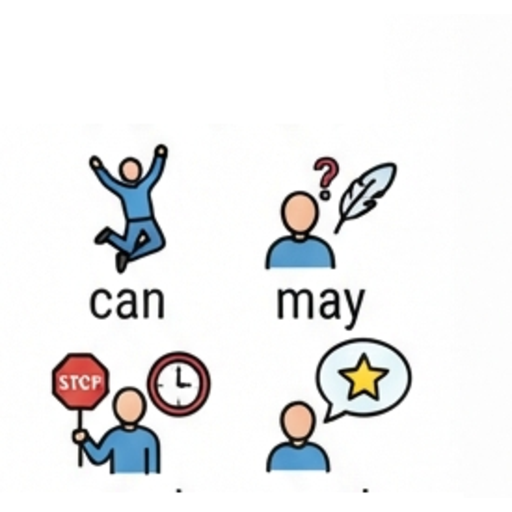
Desiderative: -e/-a + istemek
want to do
varies
İçmek istiyorum = I want to drink; shortened: içmek isteyince = when wanting to drink
Progressive vs. habitual contrast
-iyor vs. -ir in practice
varies
Her gün çay içerim (habit) vs. şu an çay içiyorum (right now)
Verbal nouns as clause arguments
nominalizations functioning as NP
varies
Gelmesi beni mutlu etti = His coming made me happy (-me + possessive)
-me/-ma nominalization
gerund/verbal noun type 1
varies
Koşma = running (the act of); sigara içmeme = my not smoking
-iş/-ış/-uş/-üş nominalization
manner nominalization type 2
varies
Konuşması güzeldi = His manner of speaking was nice
Infinitive -mek/-mak as nominalization
infinitive used as noun phrase
varies
Okumak güzeldir = Reading is nice; infinitive as grammatical subject
Converb: -(y)ip
doing X and then doing Y
-(y)eep
Yiyip içtik = We ate and drank; -ip chains actions with same subject