← Back
Alphabet & Pronunciation
English alphabet, vowels, key consonants, silent letters, and basic pronunciation rules
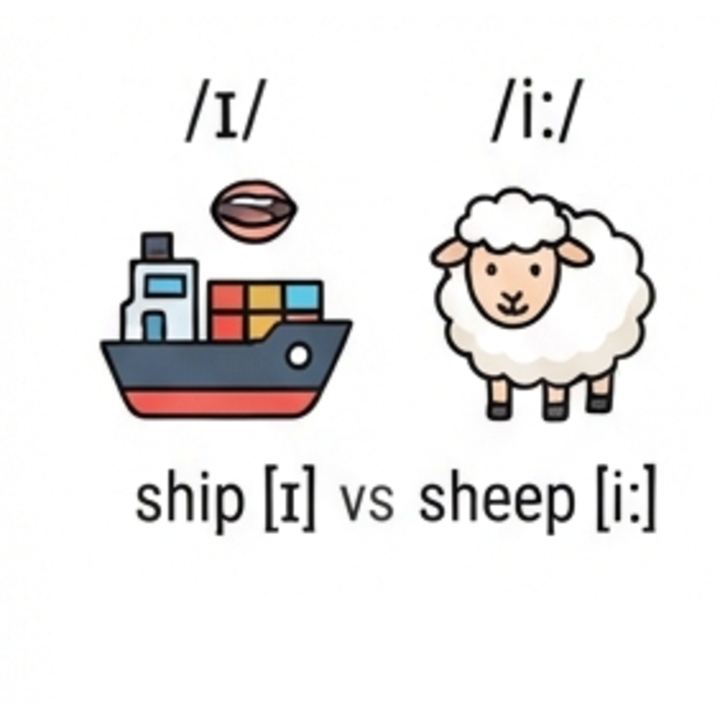
Minimal pairs: /ɪ/ vs /iː/ — ship / sheep
ship [ɪ] vs sheep [iː]; bit vs beat; sit vs seat — one sound changes meaning
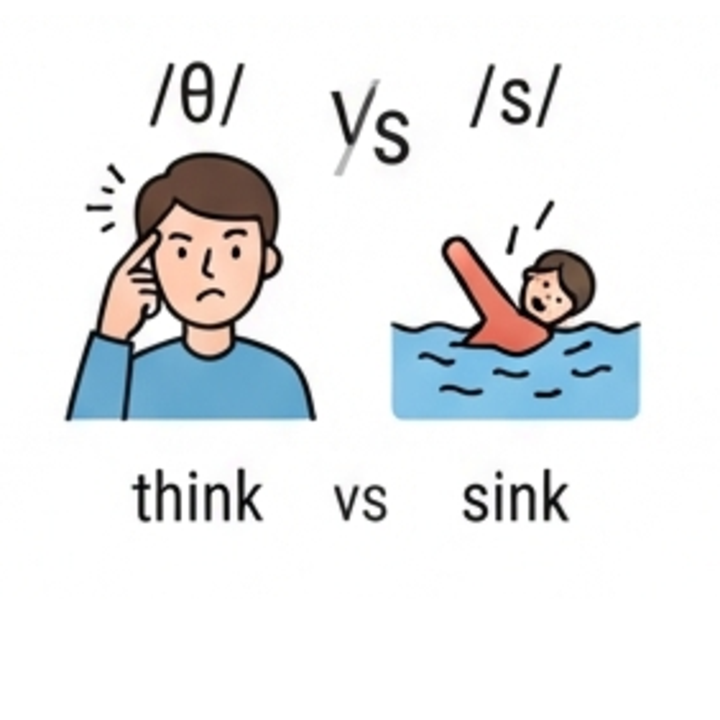
Minimal pairs: /θ/ vs /s/ — think / sink
think vs sink; thank vs sank; mouth vs mouse — voiceless th vs s
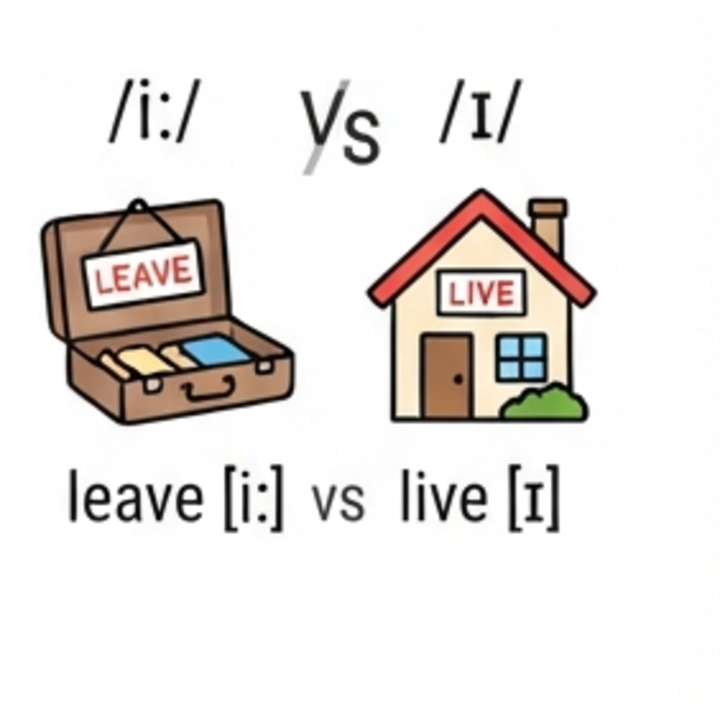
Vowel length and meaning changes
leave [iː] vs live [ɪ]; full [ʊ] vs fool [uː]; been [ɪ] vs bean [iː]
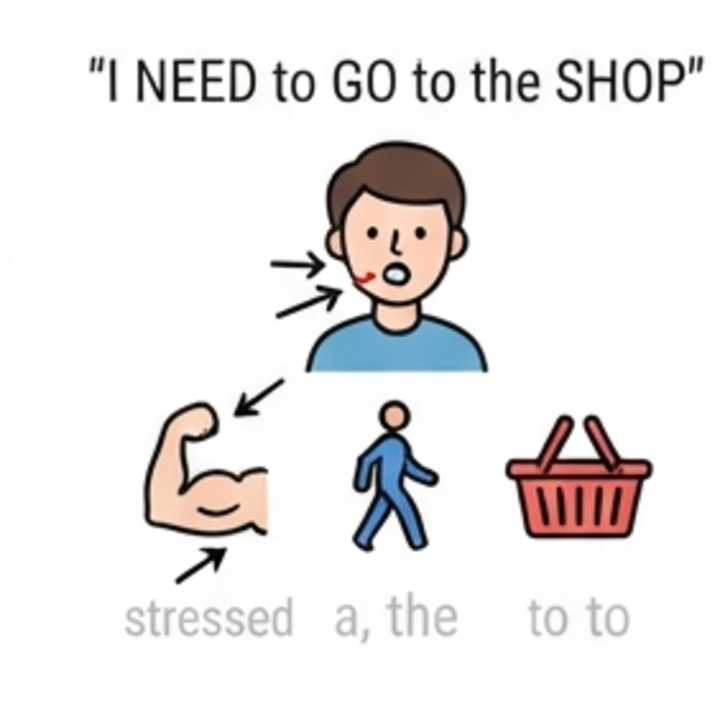
Sentence stress: content vs function words
"I NEED to GO to the SHOP" — stress nouns, verbs, adjectives; not articles, prepositions
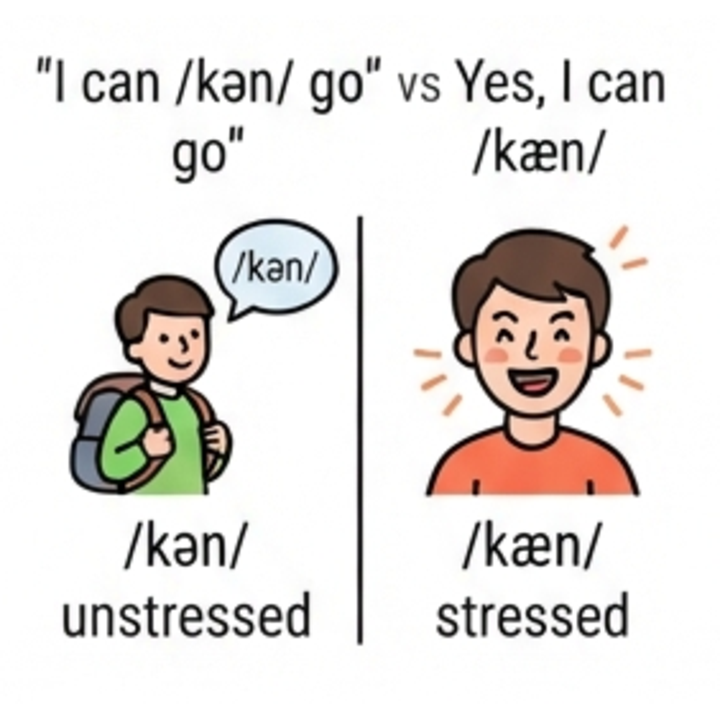
Weak forms: mastery in context
"I can /kən/ go" vs "Yes, I can /kæn/" — stressed vs unstressed form
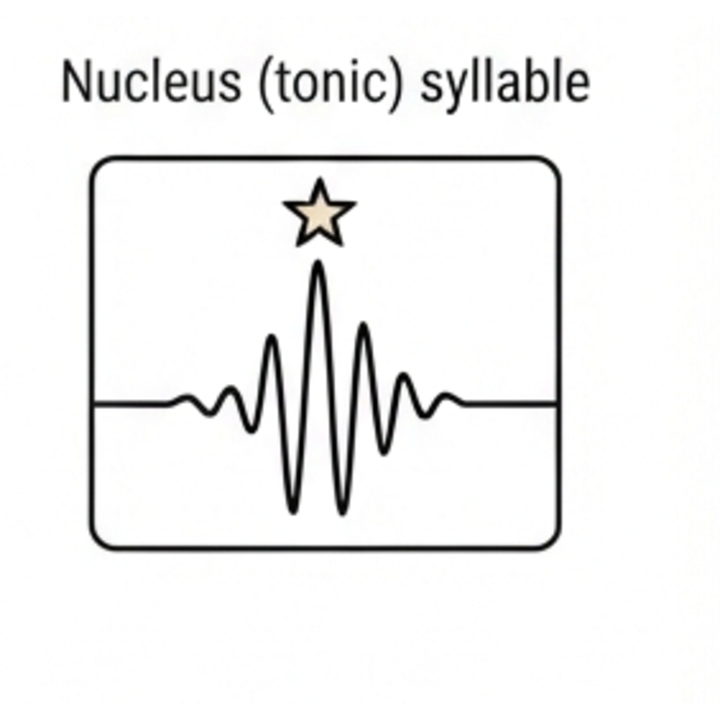
Tone units and tonic syllable
Each tone unit has a nucleus (tonic) syllable — highest pitch, carries key information
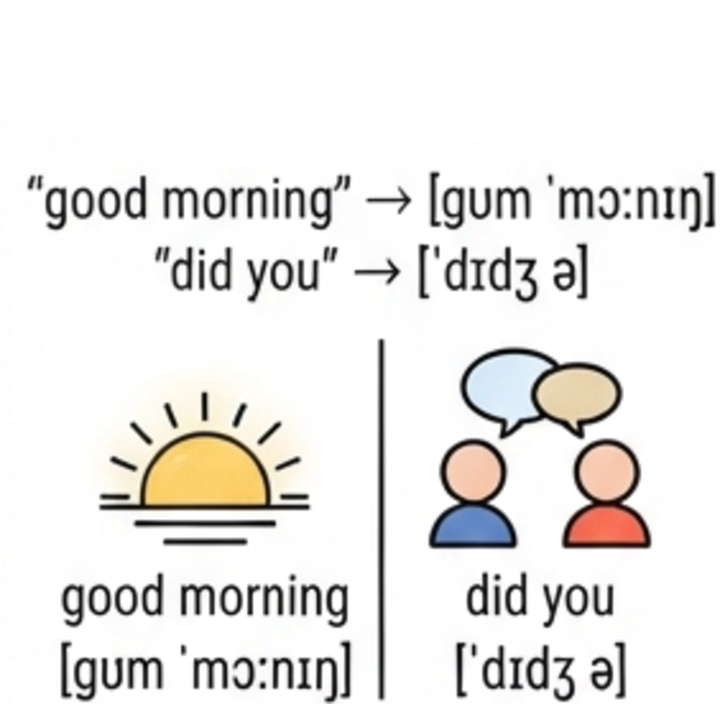
Elision and assimilation: advanced
"good morning" → [gʊm ˈmɔːnɪŋ]; "did you" → [ˈdɪdʒ ə] in fast speech
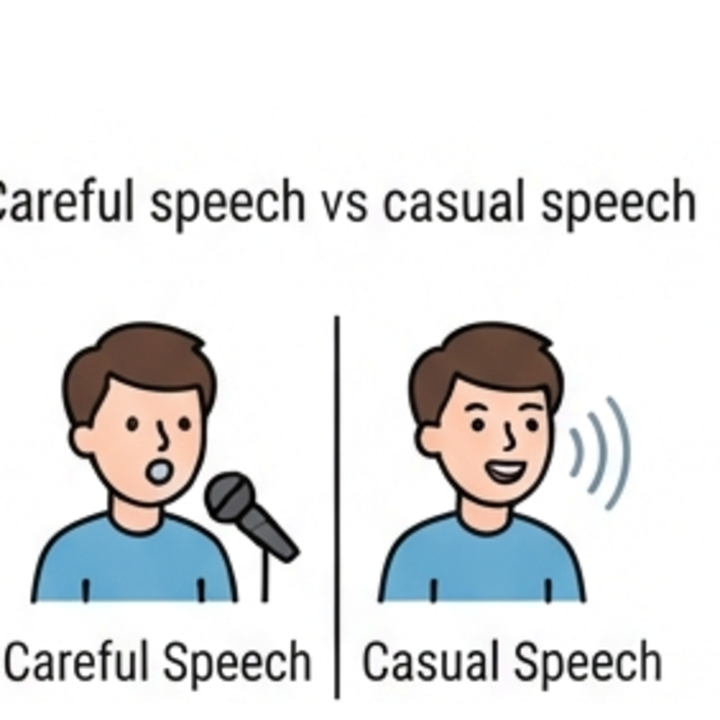
Register and pronunciation
Careful speech vs casual speech — the same word can sound very different in each
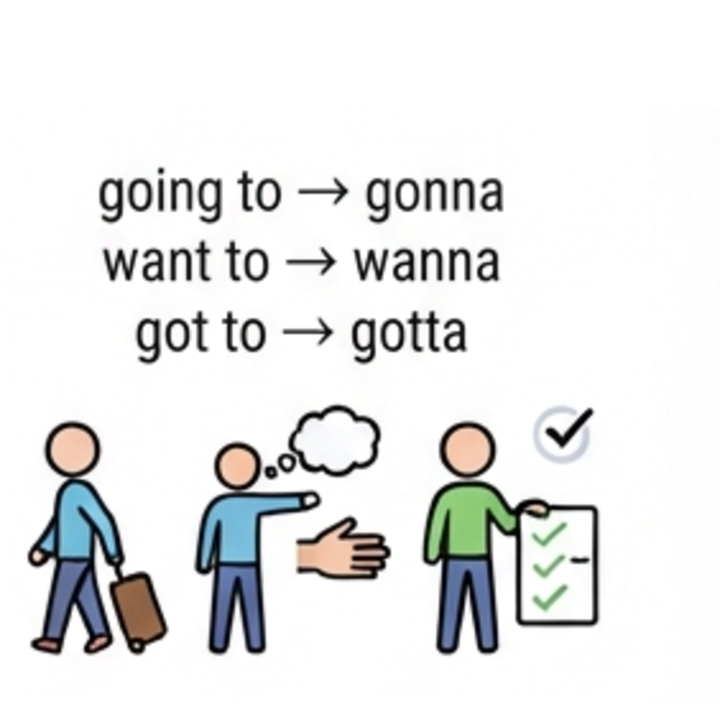
Vowel reduction: gonna / wanna / gotta
"going to" → "gonna"; "want to" → "wanna"; "got to" → "gotta" — very informal spoken
Prosodic features: stress-timing
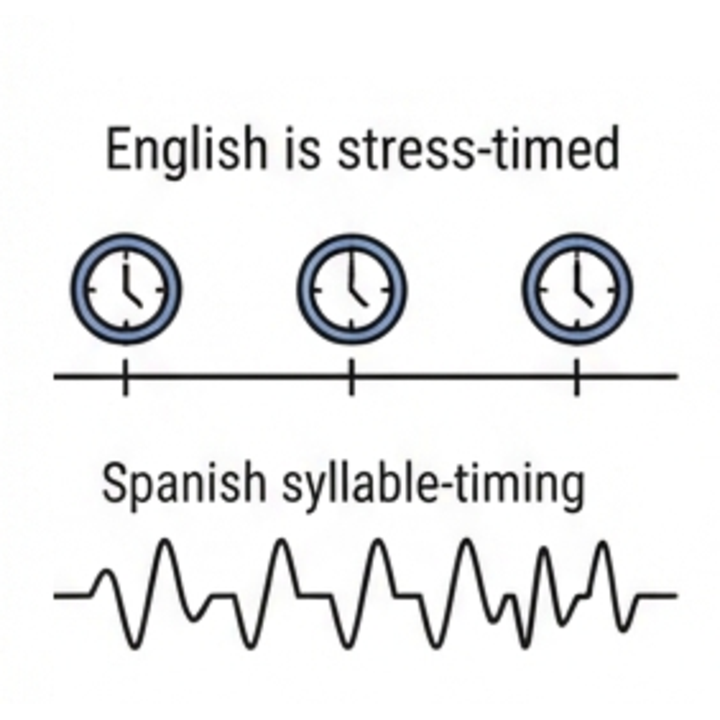
English is stress-timed: stressed syllables fall at regular intervals — unlike Spanish