← Back
Pronouns & Basic Sentence Structure
Personal pronouns, formality levels, SVO word order and possession by juxtaposition
Sistem pragmatik penuh istilah sapaan
Full pragmatic system of address terms by age/status/context
-
Choosing correctly requires reading the social situation
-nya sebagai sufiks serbaguna
-nya as a highly versatile suffix
possessive, object, definite marker, nominalizer
One small suffix carries several distinct grammatical functions
Strategi kesantunan: menghindari kata ganti langsung
Politeness strategies: avoiding direct pronouns via titles/names
-
Using a name or title instead of "you" softens directness
kita retoris
inclusive kita used rhetorically even in monologue
-
Speakers use "we" to sound more inclusive even when alone
diri sendiri
reflexive: oneself
DEE-ree sen-DEE-ree
Marks an action directed back at the subject
satu sama lain
reciprocal: each other
SAH-too SAH-ma LAH-in
Marks mutual action between two or more parties
Topikalisasi untuk penekanan
Topic-fronting for emphasis
Buku itu, saya sudah baca.
Fronts the topic before commenting on it
Tilikan nol (zero anaphora)
Zero anaphora: omitting known referents in discourse
-
Referents already established are freely dropped
beliau
he/she (respectful, formal, for esteemed third parties)
buh-LEE-ow
Reserved for people deserving special respect
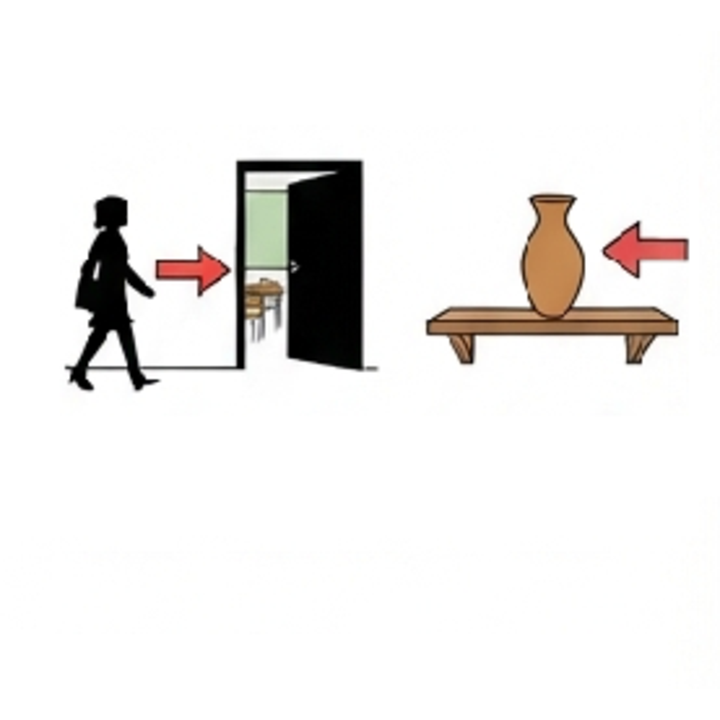
Variasi regional dalam pilihan kata ganti
Regional variation in pronoun choice
Jakarta vs regional Malay dialects
Pronoun preferences shift noticeably by region